


How to Choose the Right Multivitamin (What Actually Matters)

Choosing a multivitamin shouldn’t feel overwhelming, but with so many options, it often can. Once you know what to look for, finding the right one becomes much easier.
This guide walks you through how to choose a multivitamin that aligns with your health goals, lifestyle, and nutritional needs so you can shop with confidence. Whether you're shopping for yourself, your kids, or an ageing parent, you'll know exactly what to consider before making a purchase.
Why Take a Multivitamin?
Multivitamins work alongside a balanced diet to help you get the nutrients your body needs every day. Busy schedules, dietary restrictions, and food quality can leave gaps in your nutrition. Multivitamins bridge those gaps, supporting your overall health and wellbeing. However, not all multivitamins are created equal. Learning how to choose a multivitamin based on your individual needs makes all the difference.
What to Look for When Choosing a Multivitamin
Consider Your Age and Gender
Your nutritional needs change throughout life, and it's important to choose a multivitamin that reflects this.
For Women: Look for multivitamins that include iron, folate, calcium, and vitamin D. These nutrients support reproductive health, bone density, and energy levels. Women over 50 may benefit from formulas with extra calcium and vitamin D to support bone health as oestrogen levels decline.
Check the Form: Tablets, Capsules, or Gummies
Multivitamins come in various forms, each with its own advantages:
- Tablets: Cost-effective and shelf-stable, though some people find them harder to swallow.
- Capsules: Easier to digest and absorb, ideal if you have a sensitive stomach.
- Gummies: Great for kids and adults who don't like swallowing pills.
Choose the form that fits your lifestyle and preferences.
Look at the Ingredient Quality
Look for multivitamins with bioavailable forms of nutrients, such as:
Avoid multivitamins with unnecessary fillers, artificial colours, or allergens if you have sensitivities.
Match Your Multivitamin to Your Lifestyle
When deciding how to choose a multivitamin, your diet, lifestyle, and health goals should guide your selection.
- Vegans and Vegetarians: Ensure your multivitamin includes B12, iron, vitamin D, and omega-3s (from algae sources).
- Active Individuals: Look for formulas with extra B vitamins for energy and magnesium for muscle function.
- Pregnant or Breastfeeding Women: Choose prenatal multivitamins with adequate folate, iron, and DHA to support foetal development.
Avoid Excessive Intake
Always follow the recommended dosage on the label and avoid taking more than the recommended amount, unless specifically advised by a healthcare professional. It is important to note that excessive intake of certain vitamins and minerals can affect the body. For example, too much vitamin C can lead to stomach upset and diarrhea, while excessive iron intake can cause constipation.
For Men: Men’s multivitamins are often formulated to support heart health, prostate function, and energy levels. Key nutrients include zinc, selenium, and B vitamins. Men over 50 should look for formulas with additional support for cardiovascular and cognitive health.
For Children: Children's multivitamins contain vitamins A, C, and D, as well as calcium, to support growth, immunity, and bone development. Opt for age-appropriate dosages and fun formats, such as gummies, to make daily supplementation easier.
When to Take Multivitamins: Morning or Night?
The best time to take your multivitamin depends on its ingredients:
- Morning: Multivitamins with B vitamins boost energy, making them ideal for morning consumption. They may also help kickstart your metabolism.
- Night: Multivitamins with magnesium or calcium may promote relaxation and are better suited for evening use.
Should You Take Multivitamins Before or After Food?
It is recommended that you take multivitamins with food. This reduces the risk of stomach upset and enhances nutrient absorption. A balanced meal with some healthy fats (such as avocado, nuts, or olive oil) helps ensure fat-soluble vitamins are properly absorbed.
Recommended Multivitamins for Every Need
Based on the factors above, here are multivitamin options that align with different age groups and health goals:
Children's Multivitamins
- Nordic Naturals Nordic Berries Multivitamin Gummies: These delicious gummies deliver essential vitamins and minerals in a form kids will love.
Women's Multivitamins
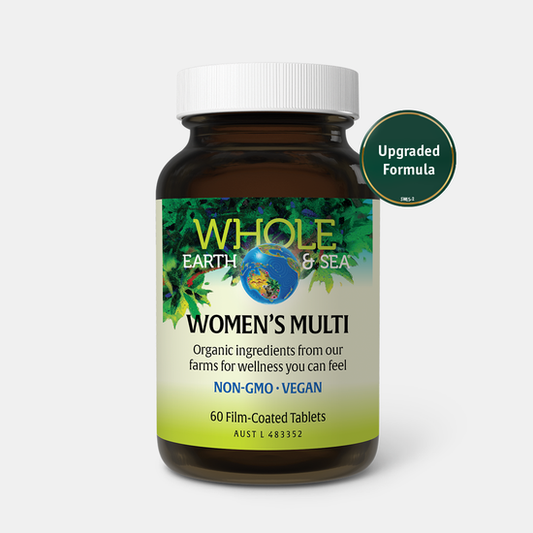
- Whole Earth & Sea Women's Multi, 60 Tablets: A whole-food-based formula designed to support energy, vitality, and daily nutritional needs in women.
- Whole Earth & Sea Women's 50+ Multi, 60 Tablets: Specifically formulated for women over 50, this multivitamin supports bone health and cognitive function.
Men's Multivitamins
- Whole Earth & Sea Men's Multi, 60 Tablets: A nutrient-dense formula supporting energy, immunity, and overall health with whole-food ingredients.
- Whole Earth & Sea Men's 50+ Multi, 60 Tablets: Designed for men over 50, this multivitamin promotes heart health, prostate function, and sustained energy.
Common Multivitamin Myths Debunked
Myth 1: Multivitamins replace a healthy diet.
False. Multivitamins supplement your diet but cannot replace whole foods rich in fibre, antioxidants, and phytonutrients.
Myth 2: You should take multivitamins on an empty stomach.
Not recommended. Taking multivitamins with food improves absorption and reduces the risk of stomach upset.
Myth 3: Expensive multivitamins are always better.
Not necessarily. Focus on ingredient quality, bioavailability, and certifications rather than price alone.
Myth 4: Multivitamins can prevent or cure illnesses.
No scientific evidence supports this claim. While multivitamins can support overall health, they cannot replace medical treatment for illnesses.
Myth 5: More vitamins and minerals in a multivitamin mean better results.
Not true. Consuming excess amounts of certain vitamins and minerals can lead to toxicity and adverse health effects.
Making the Right Choice for Your Health
Understanding how to choose a multivitamin comes down to identifying your individual nutrient needs and selecting a formula that supports them consistently. Consider your age, gender, lifestyle, and health goals when selecting a multivitamin. Prioritise quality ingredients, appropriate dosages, and forms that suit your preferences.
At NZ Health Store, we're committed to offering high-quality multivitamins at affordable prices. Whether you need support for energy, immunity, or healthy ageing, our carefully curated range ensures you'll find the right fit.
Ready to support your health with the perfect multivitamin? Browse our collection of multivitamins today and take the first step towards balanced nutrition and better wellbeing.
Frequently Asked Questions
Is multivitamin a supplement?
Yes, a multivitamin is a type of dietary supplement that contains a combination of vitamins and minerals. It is designed to support overall health and address any nutritional gaps in one's diet.
How long does it take to notice benefits from a multivitamin?
There is no set timeline for when one may notice benefits from taking a multivitamin. It can depend on individual factors such as diet, lifestyle, and current nutrient levels. However, you can expect to feel more energised within a few weeks of taking a multivitamin consistently.
Can I take a multivitamin if I'm pregnant?
Yes, there are specially formulated multivitamins for pregnant women, but it's always best to consult with your doctor before adding any new supplements to your routine. They can advise on the right dosage and types of nutrients that are safe and beneficial for both you and your baby.
Should children take adult multivitamins?
No. Children require different nutrient ratios and dosages tailored to their age, growth stage, and development needs. Adult formulas often contain higher levels of certain vitamins and minerals that may not be suitable for young bodies.
Instead, choose supplements specifically designed for children, such as Nordic Naturals Nordic Berries Multivitamin Gummies, 120 Chews or Biocare Children's Complete Multinutrient, 75g Powder. These are formulated with appropriate dosages and nutrient balances to support healthy growth and development.
Can I take multiple supplements with my multivitamin?
Generally, yes, but be mindful of overlapping nutrients to avoid exceeding safe upper limits. If you're taking additional single-nutrient supplements (like extra vitamin D or fish oil), calculate your total daily intake.
- Choosing a selection results in a full page refresh.
